
ACD in Contact Centers: How Smart Call Routing Improves Customer Support
Let’s face it—no one likes being stuck on hold or getting bounced from one agent to another just to resolve a simple issue. And from a business perspective, those frustrating moments can cost far more than time—they often cost customer loyalty.
That’s where ACD, or Automatic Call Distribution, becomes a game-changer. It's the behind-the-scenes brain that makes sure every call gets to the right person, without unnecessary delays or confusion. Whether you run a fast-growing startup or a global enterprise, understanding how ACD works—and why it matters—is crucial to creating a better customer experience.
What is ACD, Exactly?
ACD stands for Automatic Call Distributor, a system that automatically routes incoming calls to the most appropriate agent or department. It uses a set of rules based on things like agent availability, caller history, department, language, or even customer type.
Think of it as an intelligent switchboard that ensures customers aren't passed around or kept waiting unnecessarily. Instead, they’re directed right where they need to go—quickly and efficiently.
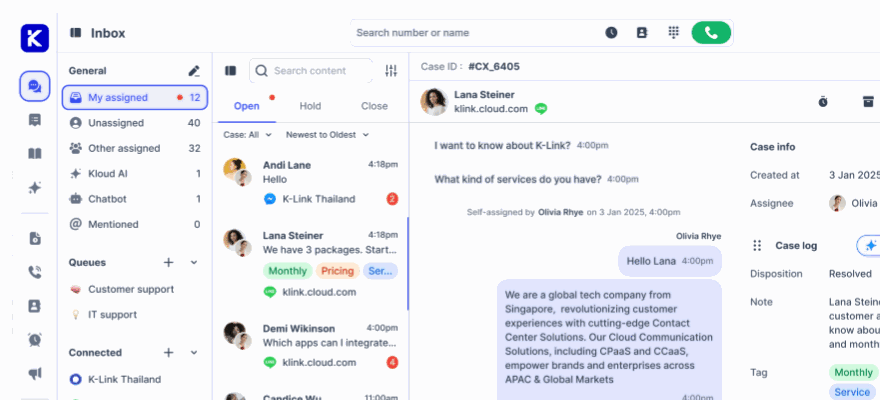
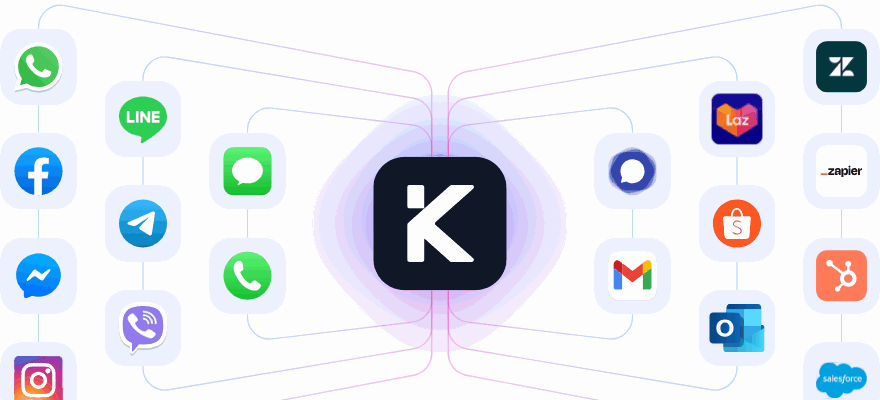
And ACD isn’t just for voice calls anymore. In modern omnichannel platforms like klink.cloud, the same routing logic applies across messaging apps, social media, SMS, and more.
How Does ACD Work?
Here’s a simple breakdown of what happens the moment a call comes in:
- Call Detection: The ACD system identifies the caller’s number and checks which line or campaign they’re calling into.
- Information Gathering: Integrated with IVR (Interactive Voice Response), the system may ask the caller to select options that help determine their intent.
- Call Queuing: If all agents are busy, the call is queued—prioritized by urgency, customer value, or time of entry.
- Smart Routing: The system then matches the caller with the best available agent based on skills, availability, and business logic.
It’s simple in theory, but powerful in practice. This setup significantly reduces handling time, improves first-call resolution, and removes the guesswork from customer support.
Real Benefits of ACD in Modern Contact Centers
Let’s look at what ACD really brings to the table—both for customers and for your team.
1. Shorter Wait Times
With intelligent routing, customers don’t have to explain their issue multiple times or wait in long queues. Calls are handled faster, and customers appreciate that—big time.
2. More Personalized Experiences
By syncing with CRM and customer data, ACD ensures agents have context before picking up a call. That means no more "can you repeat that?" moments.
3. Happier, More Efficient Agents
When agents receive calls that match their skills and experience, they’re more confident, productive, and satisfied with their work.
4. Boosted KPIs
From average handling time (AHT) to first-call resolution (FCR) and CSAT scores, ACD systems play a major role in improving every key performance indicator in your contact center.
5. Scalability for Growing Teams
Whether you're scaling from 5 agents to 500 or expanding internationally, ACD keeps operations smooth by dynamically routing based on shifts, time zones, and workloads.
Use Case: ACD in Global Omnichannel Environments
Let’s say your business supports customers in 3 different languages and across 4 regions. With time-zone-based routing and skills-based logic, an ACD system can make sure:
- A French-speaking caller at 10 AM Paris time gets connected to your Paris team
- An English caller from New York gets routed to an available US agent
- After-hours inquiries are re-routed to your Manila support team
All this happens without manual intervention—streamlining support while respecting regional needs and language preferences.
That’s the kind of global CX that wins customers over.
Key Features to Look For in a Great ACD System
Not all systems offer the same level of intelligence or flexibility. Here are must-haves to look for:
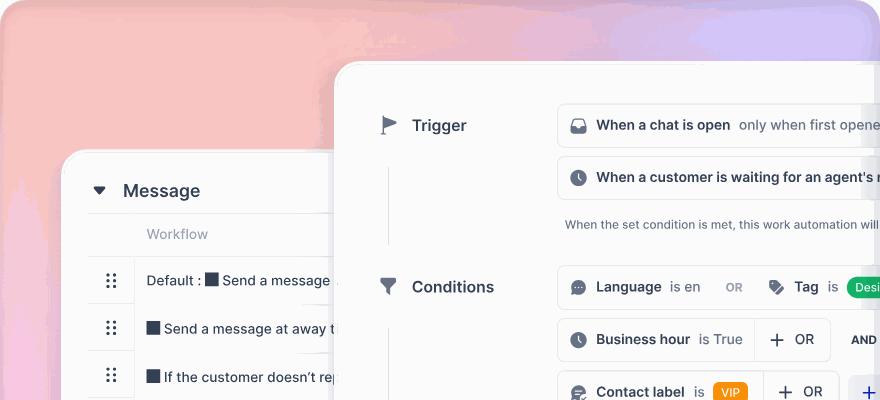
- Skills-Based Routing – Match calls with agents who have the right knowledge or language skills
- Time-Based Routing – Ideal for international support with agents in different shifts
- Priority Queues – Let your VIPs or urgent tickets bypass the general queue
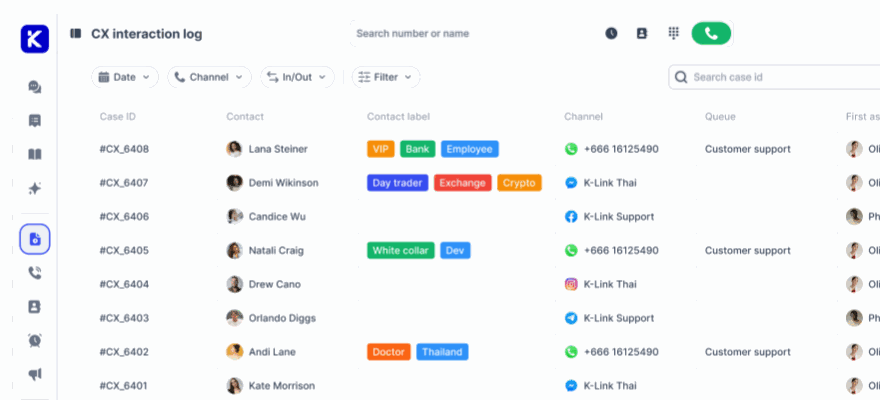
- CRM Integration – View past tickets and interaction history before you even say “hello”
- Performance Reporting – Measure everything from call abandonment to agent response time in real-time
Platforms like klink.cloud offer all of this in one unified dashboard—perfect for modern, cloud-based contact centers.
How to Implement ACD Effectively
Rolling out ACD in your organization doesn’t have to be overwhelming. Here's a quick implementation roadmap:
- Define Your Routing Logic Start by identifying key call types, support teams, and required agent skills.
- Segment Your Customer Base Use data from your CRM to prioritize calls from high-value customers or urgent issues.
- Train Your Agents Make sure agents understand how the system works and how they’re being assigned calls. Transparency boosts buy-in.
- Test and Optimize Run test scenarios and analyze call flow reports. Tweak the logic over time based on queue lengths, resolution times, and customer feedback.
- Monitor KPIs Use built-in dashboards to track call volume, wait times, agent load, and satisfaction ratings. Adjust strategies as needed.
ACD’s Role in the Future of CX
The world of customer service is changing fast—and ACD is evolving with it. Here’s how ACD fits into next-gen support strategies:
- AI-Powered Routing: Some systems now use natural language processing to route based on voice intent, not just keypad entries.
- Channel-Agnostic Distribution: Whether a customer is chatting on WhatsApp or calling your hotline, ACD logic applies across all touchpoints.
- Hyper-Personalization: By combining ACD with customer journey mapping and behavioral data, businesses can deliver next-level personalization.
According to Gartner, by 2026, 60% of customer service engagements will be initiated via digital channels, with many of them leveraging AI and automated routing. ACD is central to that future.
Final Thoughts
If you're serious about delivering top-tier customer service—especially in a global or high-volume environment—ACD isn’t just helpful. It’s essential.
By ensuring that each customer gets connected to the right agent the first time, ACD helps your contact center deliver faster, more personalized, and more efficient support. That means happier customers, empowered agents, and a smoother operation overall.
So, whether you’re scaling your support team or reimagining your CX strategy, investing in the right ACD system could be one of the smartest decisions you make this year.